All Categories
Featured


How Evidence-Based Marketing Improve ROI
Table of Contents
Analysts examine political stability, policies, and regulative changes that impact competitiveness. Key areas consist of tax policy, trade policy, federal government costs, election cycles, and regulatory bodies. Increased infrastructure spending would benefit engineering, construction and raw products sectors. On the other hand, stricter ecological regulations hurt fossil fuel-related sectors. The overall health of the economy is a vital chauffeur of equity sector efficiency.
Times of strong financial expansion support cyclical sectors like industrials, financials and consumer discretionary. Weak development tends to favor defensive sectors including health care and consumer staples.
Comprehending social changes enables identifying which sectors line up finest with emerging structural shifts. The rate of technological modification and development is quickly changing markets. Sectors on the leading edge of innovation like software application, semiconductors, and internet services tend to see more powerful growth. At the same time, sectors disrupted by technology face competitive hazards.
Proven Industry Solutions and Growth Proof
Tracking technological drivers and threats is a key motorist of equity sector performance. The legal and regulative environment develops operating restrictions and dangers for business throughout sectors. Analysts examine new legislation, existing laws and pending legal issues relevant to each sector. Stringent guidelines, charges for non-compliance, and lawsuits risks adversely affect affected sectors.
The legal landscape figures out the competitive leeway and costs for players in a sector. With increasing eco-friendly awareness and climate modification threats, environmental aspects substantially sway sector prospects. Stricter regulations on emissions, natural resource use, and sustainability practices raise expenses for heavy polluters. Sectors like nonrenewable fuel sources and producing face headwinds.
Ecological analysis informs sector positioning strategies. A sector's sheer size and development trajectory impact its financial investment potential.
Key Growth Benchmarks for US Industries
Little specific niche sectors with rising development surpasses regardless of lower size. A sector's place within its life cycle impacts its outlook and risk-return profile.
Identifying a sector's lifespan position supplies perspective on anticipated returns. The breadth of a sector's focus impacts the financial investment landscape. Extremely diversified sectors like healthcare period industries from pharma to insurance companies to medical facilities. This diversity decreases risk. Extremely concentrated niche sectors like precious metals are vulnerable to product swings.
The threat of replacement products or services affects a sector's resilience. Conventional media sectors like print and broadcast have been disrupted by digital alternatives. The automobile sector deals with replacements like public transit.
By evaluating these key elements methodically, investors are able to assess sector attractiveness and threats. An informed sector view allows tailoring portfolios towards preferred macro environments. For comprehending how a sector analysis is brought, we will take a look at the stock; Bajaj Vehicle.
The very first action is to identify the broad sector that the business belongs to. It operates in the car sector, specifically in the two-wheeler and three-wheeler sector.
The graphical representation provides an easy approach to visually observe the pattern of numerous ratios. The platform provides the chance to observe and study the metrics over a span of 10 years. The image submitted above shows the rate efficiency of Bajaj-Auto and its peers performing within the same sector of the Car sector.
This is how sector analysis of a stock is performed using Peer Contrast function of The government's policies and policies likewise significantly impact car sector development. Analyse the crucial policies around emission standards, electrical automobiles, taxation consisting of GST rates, rewards for brand-new factories etc. The Indian federal government has actually announced favourable policies like the popularity scheme which promotes adoption of electric cars.
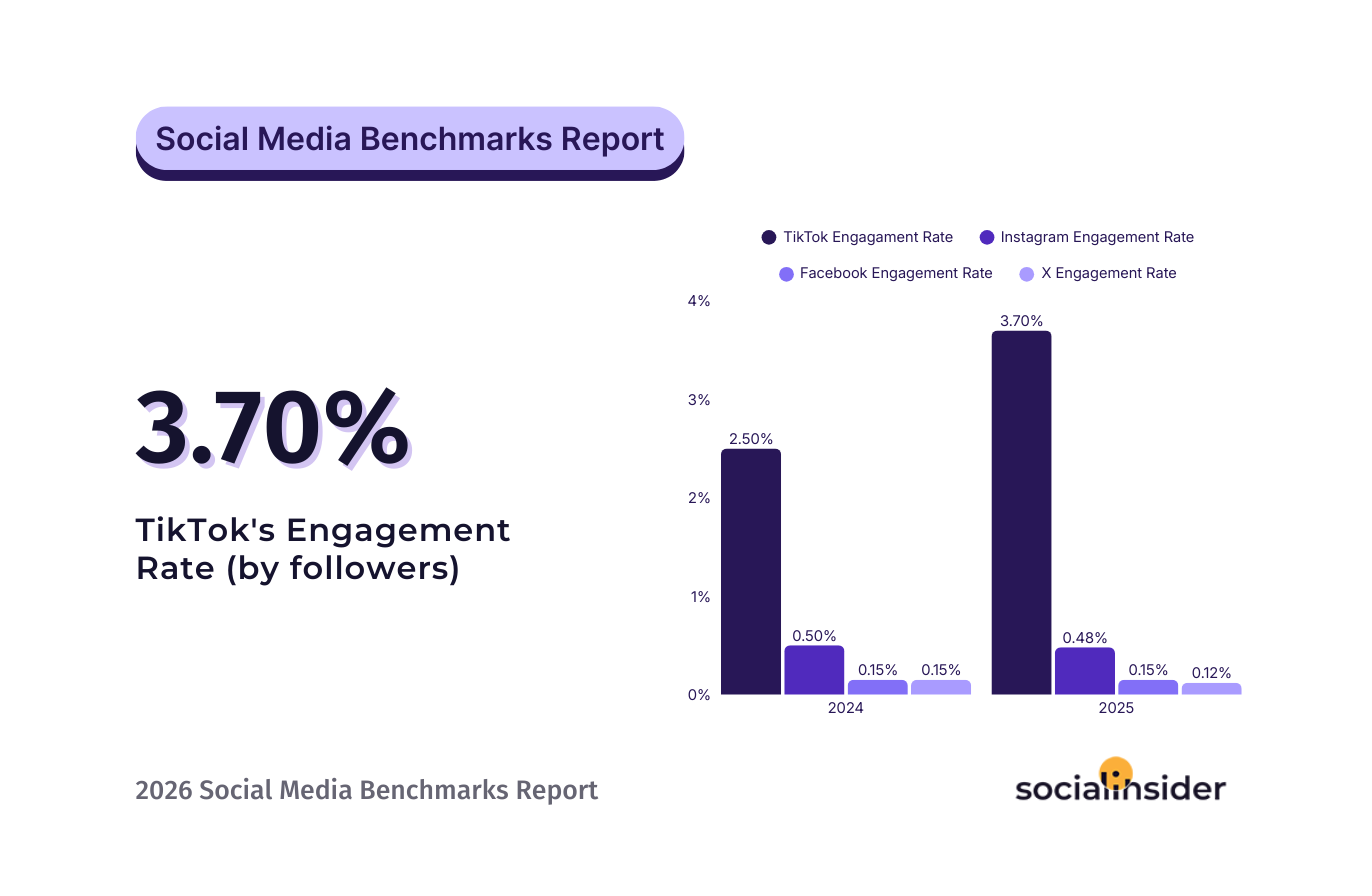
[target1:anchor_exact1]Analyzing Sector Expansion Benchmarks for 2026
Organizations like seeking advice from companies, investment banks, and market associations frequently release in-depth reports analyzing market patterns, opportunities, threats, and forecasts. Sector analysis reports are obtained from research homes like CRISIL, brokerage reports, industry bodies like IBEF, and monetary news platforms like Bloomberg Quint. CRISIL is India's leading ranking agency and is known for its unbiased research study.
These reports analyse development trends, government policies, demand-supply dynamics, competitive landscape, industry projections and financial investment outlook. As these reports objectively assess opportunities and obstacles for gamers in a sector, they help investors make informed stock selecting decisions. An investor looking to invest in banking stocks which refers to CRISIL's Banking Sector in India report to comprehend crucial motorists, difficulties and efficiency metrics of significant banks before deciding which bank stocks to purchase.
These offer a detailed view of market leaders, growth expectations, financial ratios, dangers and potential triggers for a sector. Brokerage reports in some cases also provide stock recommendations, which investors refer to while developing their portfolio. For circumstances, a brokerage's Pharma Sector Update report might supply insights on regulatory changes, rates pressures, USFDA actions, new drug launches and research study development of major Indian pharma companies.
Market associations like IBEF, CII, Assocham and so on also release insightful sector reports. For example, IBEF's automotive market report supplies macroeconomic patterns, policy assistance, growth chauffeurs, segment-wise outlook, major players' profiles and advancements. As IBEF partners the federal government to promote financial investment in India, its sector analysis provides an independent introduction of opportunities.
For continuous updates throughout sectors, platforms like Bloomberg Quint (BQ Prime) offer a wealth of information, news and analysis to guide stock investing. Their sector-specific tracker offers real-time updates, news developments, corporate outcomes analysis and professional opinion on sectoral patterns. Along with such sector analysis, BQ Prime also provides stock screening tools, cost charts, monetary data and appraisal designs to make it possible for smart stock selecting.
Emerging Digital Marketing Trends through 2026
For on-the-go analysis, Strike is very useful. Strike is a powerful stock analysis tool that allows users to filter stocks by sector, track rankings and display rate movements. Experts discover Strike hassle-free as it assists dig much deeper into sectors on the go and make well-informed financial investment decisions by comparing stocks across sectors.
The National Stock Market has 16 various types of sectoral indices. The companies or stocks that run within a particular sector are grouped together to constitute a sectoral index. These sectoral indices provide a benchmark value or information reflecting the typical performance of the listed stocks under a particular sector.

Latest Posts
Detailed Performance Reports and Strategic Insights

Creating a Profitable Agency Strategy

Comprehensive Sector Intelligence Strategies