All Categories
Featured
Table of Contents
Failing to implement effective operations causes foreseeable challenges: Wasted resources on disconnected efforts Misaligned goals across teams Missed out on market opportunities due to slow execution Failure to measure real marketing impact Difficulty scaling successful projects By contrast, well-designed marketing operations optimise procedures, integrate technological capabilities, and empower groups to make smarter, faster choices that scale with organization growth.
Establishing first-rate marketing operations needs resolving four crucial pillars: procedures, technology, information, and people. For any marketing team, distinct procedures form the foundation for sustainable functional performance.
Service Marketing BundlesAutomation-Driven Improvements: Eliminate recurring tasks through marketing automation platforms such as HubSpot, Marketo or Pardot. According to Forrester Research, marketing automation decreases marketing overhead by 12.2% while increasing sales performance by 14.5%.
Efficiency Measurement Systems: Establish clear KPIs for each procedure to enable ongoing examination and refinement. Case Research Study: Process Change at Vodafone UK Vodafone UK restructured their campaign development procedure by carrying out standardised workflows and approval systems. This improvement reduced campaign launch time by 40% and increased campaign compliance from 76% to 98%, showing how process standardisation straight affects service results.
Modern marketing is naturally technology-dependent. When developing your stack, focus on platforms that boost performance and deepen insights: Project Management: Systems such as Salesforce Marketing Cloud, Oracle Eloqua, and HubSpot streamline CRM integration and enable omnichannel campaign coordination.
Key Strategies to Boost Marketing ROI Efficiency
Data Visualisation: Platforms such as Tableau and Power BI change raw metrics into absorbable, actionable visual insights. Task Management: Solutions like Asana, or ClickUp coordinate team activities and track deliverables. Disconnected tools cause fragmented information and prevent partnership. Ensuring seamless combination through platforms like Zapier, MuleSoft or native API connections guarantees frictionless workflows, constant reporting, and cross-team coordination.
Addressing this integration difficulty yields considerable advantages, as demonstrated by companies like Dell, where integrating their CRM system with other marketing tools caused an 18% improvement in lead-conversion rates through more targeted, data-informed projects. Maximising your tech stack requires constant training initiatives focused on skill-building and feature optimisation. Setting adoption metrics connected to organization outcomes increases accountability and ROI from technological financial investments.
According to McKinsey, companies that break down information silos see a 15-25% boost in marketing performance. Data Governance Frameworks: Develop clear procedures for information access, usage, and upkeep to make sure consistency throughout the organisation.
Routine Audits: Schedule quarterly data-quality reviews to identify and attend to emerging problems before they affect performance. Real-World Example: Spotify's Data Development Spotify supplies a leading example of data development, combining structured quality assurance with innovative machine finding out for client division. Their method has actually driven a 20% increase in customer conversion and a 15% increase in listener engagement, demonstrating how sophisticated information management directly impacts business outcomes.
Can Leaner Systems Grow Your Digital Agency?
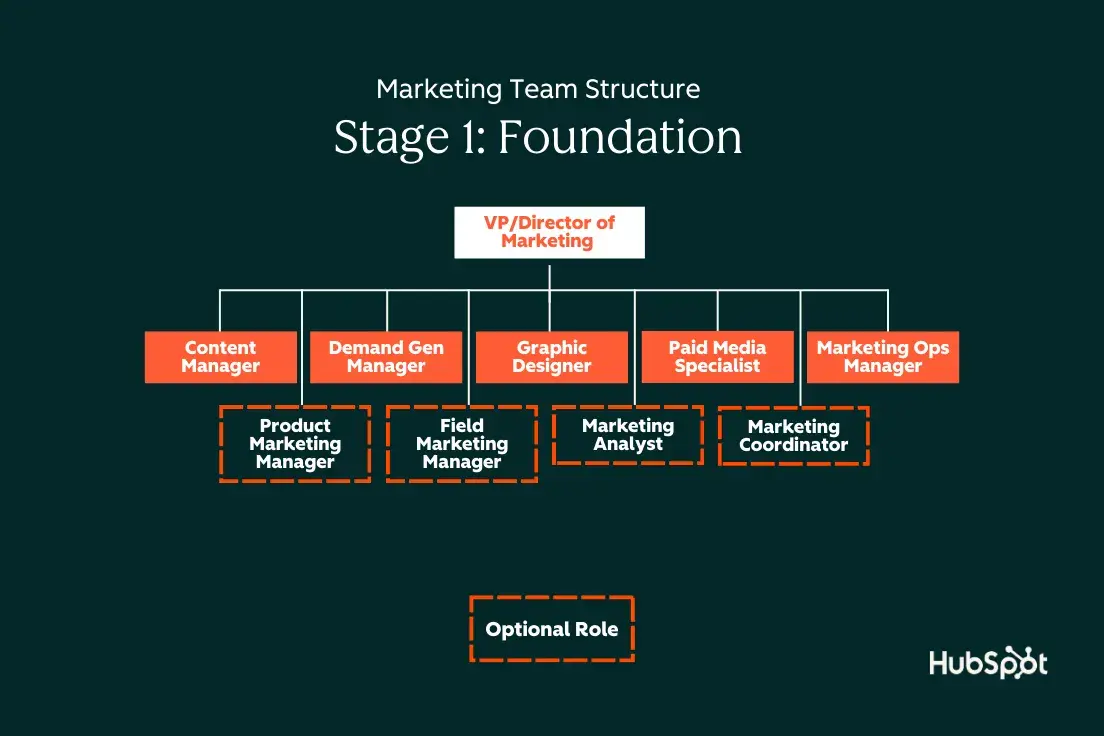
A blend of specialised functions and collaborative culture underpins successful marketing operations. A high-functioning marketing operations team usually includes these necessary functions: Marketing Operations Supervisor: Supervises organisational strategy, innovation development, and process optimisation. This function serves as the bridge in between marketing strategy and execution. Campaign Supervisor: Drives end-to-end project delivery by lining up creative and tactical components while making sure tactical application satisfies strategic goals.
Automation Professional: Configures workflows, manages integrations, and guarantees the innovation stack delivers maximum worth and performance. Material Operations Specialist: Handles the content production pipeline, guaranteeing consistency, compliance, and efficient possession management.
According to McKinsey, business that break down data silos see a 15-25% boost in marketing efficiency. Information Governance Frameworks: Develop clear protocols for data access, use, and upkeep to guarantee consistency throughout the organisation. Information quality frameworks are crucial for developing trust in analytics and insights. Reliable methods consist of: Recognition Protocols: Execute AI-driven validation tools within platforms like Salesforce to minimise errors and inconsistencies.
Routine Audits: Set up quarterly data-quality evaluations to identify and deal with emerging issues before they impact efficiency. Real-World Example: Spotify's Data Innovation Spotify offers a leading example of information development, integrating structured quality control with innovative machine learning for client division. Their technique has actually driven a 20% boost in subscriber conversion and a 15% boost in listener engagement, showing how sophisticated information management straight affects business results.
A blend of specialised roles and collective culture underpins effective marketing operations. A high-functioning marketing operations team generally consists of these necessary functions: Marketing Operations Manager: Manages organisational technique, innovation development, and procedure optimisation. This role acts as the bridge between marketing technique and execution. Campaign Manager: Drives end-to-end project delivery by aligning imaginative and tactical elements while making sure tactical execution meets strategic objectives.
Scaling the Digital Agency Across the United States Market
Automation Specialist: Configures workflows, handles combinations, and guarantees the technology stack delivers optimum worth and performance. Material Operations Professional: Handles the content production pipeline, guaranteeing consistency, compliance, and effective property management. Offered today's quick technological development, promoting a culture of adaptability is important. Techniques to establish such resilience include: Upskilling Initiatives: Dedicate quarterly discovering budgets for expert training in emerging tools and strategies.

Latest Posts
How to Protect Profit Margins for 2026?
Future-Proofing Service Operations for Higher Revenue
How to Optimize Agency Net Margins