All Categories
Featured

Tips to Grow a Digital Business in 2026
Table of Contents
Automation and Effectiveness Enhancements Automation can drastically increase both marketing and sales efficiency, maximizing groups to concentrate on high-impact activities. Marketing Operations plays a critical function in implementing and optimising automation tools, such as CRM combinations, automated email marketing workflows, and data syncing. By eliminating repeated tasks, Marketing Operations allows teams to be more productive and responsive.
When lead information is tidy and precise, leads are properly appointed, and automation supports sales outreach, sales groups can invest more time closing deals and less time on administrative tasks. By decreasing friction in the sales procedure, Marketing Operations helps enhance win rates, decrease the time to close, and ultimately drive greater earnings.
Here I discuss a few: Missed Revenue Opportunities: Without reliable lead scoring, leads might go unqualified or stay stuck in the pipeline, resulting in missed profits chances. Ineffective Procedures: A lack of automation and optimised workflows can lead to time-wasting manual tasks, lowering the productivity of both sales and marketing teams.
[target2:anchor_exact1]Top Tactics to Boost Digital Operations Efficiency
Inability to Scale: For high-growth business, scaling without strong Marketing Operations is incredibly challenging. Reliable Marketing Operations develops the facilities that enables business to grow while maintaining effectiveness.
Here's how to frame the case: Highlight the ROI: Emphasise that a well-funded Marketing Operations team can increase sales effectiveness, shorten the sales cycle, and enhance project effectivenessall causing higher ROI on marketing and sales financial investments. Quantify Prospective Gains: Use metrics like increased lead conversion rates, decreased time-to-close, and higher sales velocity to quantify the impact of an optimised Marketing Operations function.
Address Scaling Requirements: For companies with ambitious growth objectives, Marketing Operations supplies the scalable infrastructure to satisfy profits targets, manage data, and coordinate campaigns across areas. For any organisation on a development path, investing in Marketing Operations drives efficiency, supports sales goals, and maximises the impact of every marketing effort.
Top Strategies to Boost Marketing ROI Output
Purchasing this team isn't simply a cost, it's a tactical choice that lines up with organization goals and empowers business to grow smarter and faster. For tech leaders, Marketing Operations might just be the ace in the hole to changing both marketing and sales into measurable, scalable success.
Bakh, E. (2023) What Is Consumer Support Benchmarking & Why Does It Matter? Fullview. Handled November 2023 from Bhutta,., & Huq, F. (1999 ). Benchmarking Finest Practices: An Integrated Method. Benchmarking: An International Journal, 6, 254-268. doi:10.1108/ 14635779910289261 Boxwell, R. J. (1994 ). Benchmarking for Competitive Benefit. New York: McGraw-Hill.
Benchmarking: The Browse for Market Best Practices that Lead to Superior Efficiency (First edition). Harper, M. (2019) What are the Four Types of Benchmarking? Global Survey on Company Improvement and Benchmarking.
Tips to Grow a Marketing Business for 2026
Harvard Service Evaluation. Harvard Company Evaluation. Effective benchmarking: learning from the finest.
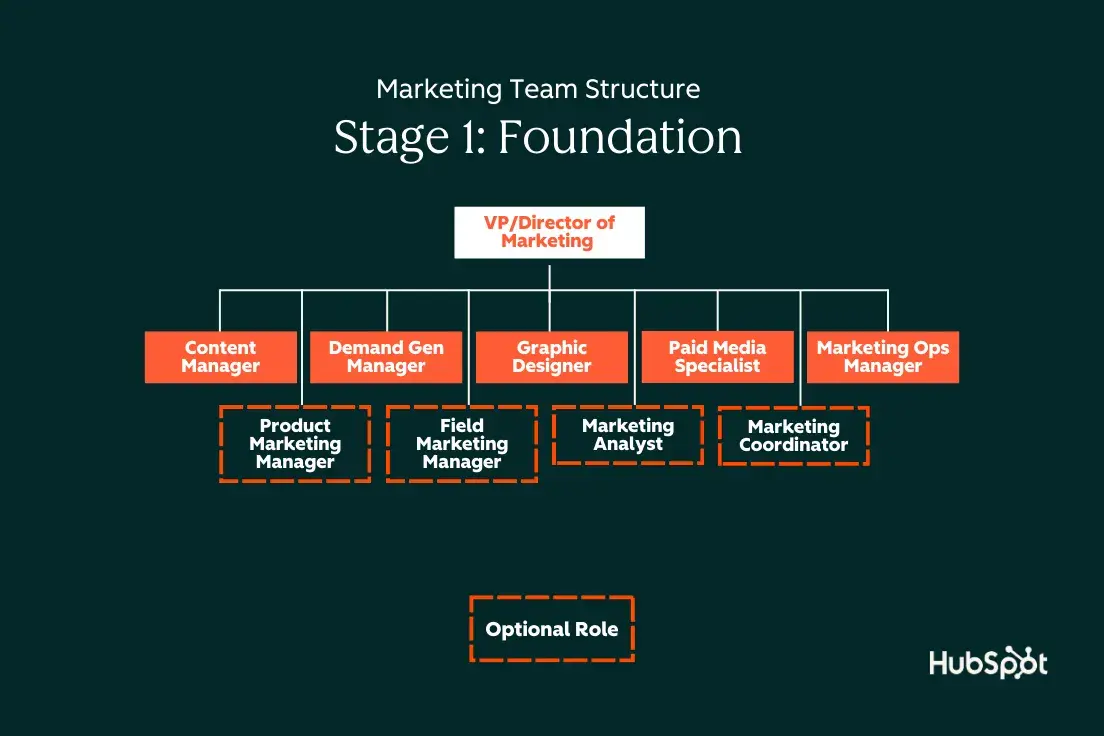
Functional Excellence Structure: Success in marketing operations needs mastering four core pillars, technology, data, team functions, and optimised workflowsall collaborating to provide quantifiable results. Strategic Technology Positioning: Picking and integrating the right marketing innovation stack boosts automation abilities, ensures information precision, and supports long-term scalability. Clear Role Meaning: Well-defined team functions enable responsibility, foster cross-functional cooperation, and simplify project execution.
Modernizing Service Models for Increased Profit
Centralised Data Management: Cohesive information methods enable actionable analytics that drive more intelligent decision-making and enhanced project efficiency. Constant Improvement Culture: Routine assessment and refinement of marketing operations processes guarantee flexibility to emerging challenges and technologies. Automation Application: Strategic automation reduces manual jobs, developing more time for high-value strategic initiatives and development.
Stopping working to implement effective operations results in foreseeable obstacles: Lost resources on disconnected efforts Misaligned objectives across teams Missed market chances due to slow execution Inability to measure actual marketing effect Problem scaling effective projects By contrast, properly designed marketing operations optimise procedures, integrate technological capabilities, and empower groups to make smarter, much faster choices that scale with company growth.
Developing world-class marketing operations needs attending to 4 vital pillars: processes, innovation, information, and individuals. For any marketing group, distinct procedures form the foundation for sustainable functional efficiency.
Automation-Driven Improvements: Eliminate repeated tasks through marketing automation platforms such as HubSpot, Marketo or Pardot. According to Forrester Research study, marketing automation lowers marketing overhead by 12.2% while increasing sales productivity by 14.5%.
Performance Measurement Systems: Develop clear KPIs for each procedure to enable continuous evaluation and refinement. Case Research Study: Process Improvement at Vodafone UK Vodafone UK reorganized their campaign development process by implementing standardised workflows and approval systems. This improvement lowered campaign launch time by 40% and increased project compliance from 76% to 98%, demonstrating how procedure standardisation directly impacts service results.
Top Strategies to Boost Digital ROI Efficiency
Modern marketing is naturally technology-dependent. With countless tools readily available, organisations need not only to embrace innovative services but likewise to integrate them in alignment with their specific operational needs. A thoroughly curated technology stack addresses core business functions while staying adaptable to changing requirements. When constructing your stack, concentrate on platforms that improve performance and deepen insights: Project Management: Systems such as Salesforce Marketing Cloud, Oracle Eloqua, and HubSpot streamline CRM combination and allow omnichannel campaign coordination.
Information Visualisation: Platforms such as Tableau and Power BI change raw metrics into absorbable, actionable visual insights. Job Management: Solutions like Asana, or ClickUp coordinate group activities and track deliverables. Detached tools result in fragmented information and impede collaboration. Making sure smooth combination via platforms like Zapier, MuleSoft or native API connections guarantees smooth workflows, constant reporting, and cross-team coordination.
Resolving this integration difficulty yields substantial advantages, as shown by business like Dell, where integrating their CRM system with other marketing tools caused an 18% improvement in lead-conversion rates through more targeted, data-informed campaigns. Maximising your tech stack requires consistent training initiatives focused on skill-building and function optimisation. Setting adoption metrics connected to business results increases accountability and ROI from technological financial investments.

Latest Posts
Detailed Performance Reports and Strategic Insights

Creating a Profitable Agency Strategy

Comprehensive Sector Intelligence Strategies